





Parodontitis (auch unter Parodontose bekannt) ist eine weit verbreitete Erkrankung, die nicht nur die Zähne, sondern vor allem das Zahnfleisch und den darunterliegenden Knochen betrifft. Sie beginnt oft harmlos als Gingivitis, eine Zahnfleischentzündung, kann sich jedoch ohne geeignete Behandlung zu einer ernsten Bedrohung für Ihre Mundgesundheit entwickeln. Parodontitis führt zur Zerstörung des Zahnhalteapparates, was letztendlich zum Zahnverlust führen kann. Doch es gibt wirksame Wege, diese bedrohliche Krankheit zu behandeln und ihre Auswirkungen umzukehren.
Die moderne Parodontitistherapie / Parodontose Behandlung ist eine spezialisierte Behandlung, die darauf abzielt, die Gesundheit des Zahnfleisches wiederherzustellen und den weiteren Verlust von Zahnsubstanz zu verhindern. Dieser therapeutische Ansatz bietet zahlreiche Vorteile, die weit über die Mundhöhle hinausgehen. Eine erfolgreiche Behandlung kann nicht nur Ihre Zähne retten, sondern auch Ihr allgemeines Wohlbefinden verbessern, indem Entzündungen reduziert werden, die potenziell andere Körperteile beeinflussen könnten.
Die Therapie beginnt mit einer gründlichen Diagnose. Hierbei werden moderne bildgebende Verfahren eingesetzt, um das Ausmaß des Schadens genau zu beurteilen. Dies ist entscheidend, denn Parodontitis ist oft eine „stille“ Krankheit, deren Symptome erst in fortgeschrittenen Stadien offensichtlich werden. Typische Anzeichen können Zahnfleischbluten, Zahnfleischrückgang und in späteren Stadien sogar wackelnde Zähne sein.
Nach der Diagnose folgt die eigentliche Parodontose Behandlung, die mehrere Schritte umfasst.
Ein zentraler Aspekt der Parodontitistherapie ist die Schulung und Einbeziehung des Patienten. Eine gute Mundhygiene ist entscheidend für den Erfolg der Therapie. Patienten lernen, wie sie ihre Zähne und ihr Zahnfleisch effektiv pflegen können, um zukünftigen Problemen vorzubeugen. Ergänzt wird diese häusliche Pflege durch regelmäßige Nachsorgetermine beim Zahnarzt, die dazu dienen, den Heilungsprozess zu überwachen und rechtzeitig auf mögliche Komplikationen zu reagieren.


Die Vorteile der Parodontitistherapie sind beeindruckend und können lebensverändernd sein. Neben der offensichtlichen Verbesserung der Mundgesundheit berichten viele Patienten von einem gesteigerten Selbstbewusstsein, einer Verbesserung ihrer Lebensqualität und, nicht zuletzt, einer Wiederherstellung der vollen Funktionalität beim Essen und Sprechen.
Darüber hinaus hat die Reduzierung von Mundentzündungen oft positive Auswirkungen auf andere Gesundheitsaspekte. Studien haben gezeigt, dass eine gute Mundhygiene und die Behandlung von Parodontitis das Risiko für Herz-Kreislauf-Erkrankungen, Diabetes und andere entzündungsbedingte Zustände senken können.
Parodontitis muss nicht das Ende Ihres strahlenden Lächelns bedeuten. Mit der richtigen Behandlung und Pflege können Sie nicht nur Ihre Zähne bewahren, sondern auch Ihr allgemeines Wohlbefinden steigern. Wenn Sie Anzeichen von Zahnfleischproblemen bemerken oder einfach sicherstellen wollen, dass Ihre Zähne gesund bleiben, zögern Sie nicht, professionelle Hilfe in Anspruch zu nehmen.
Lassen Sie nicht zu, dass Parodontitis Ihr Lächeln trübt. Vereinbaren Sie jetzt einen Termin mit uns und informieren sich über die Möglichkeiten einer Parodontitistherapie / Parodontose Behandlung.
Ihre Zähne und Ihr Körper werden es Ihnen danken. Ergreifen Sie heute die Initiative für eine gesündere, glücklichere Zukunft.
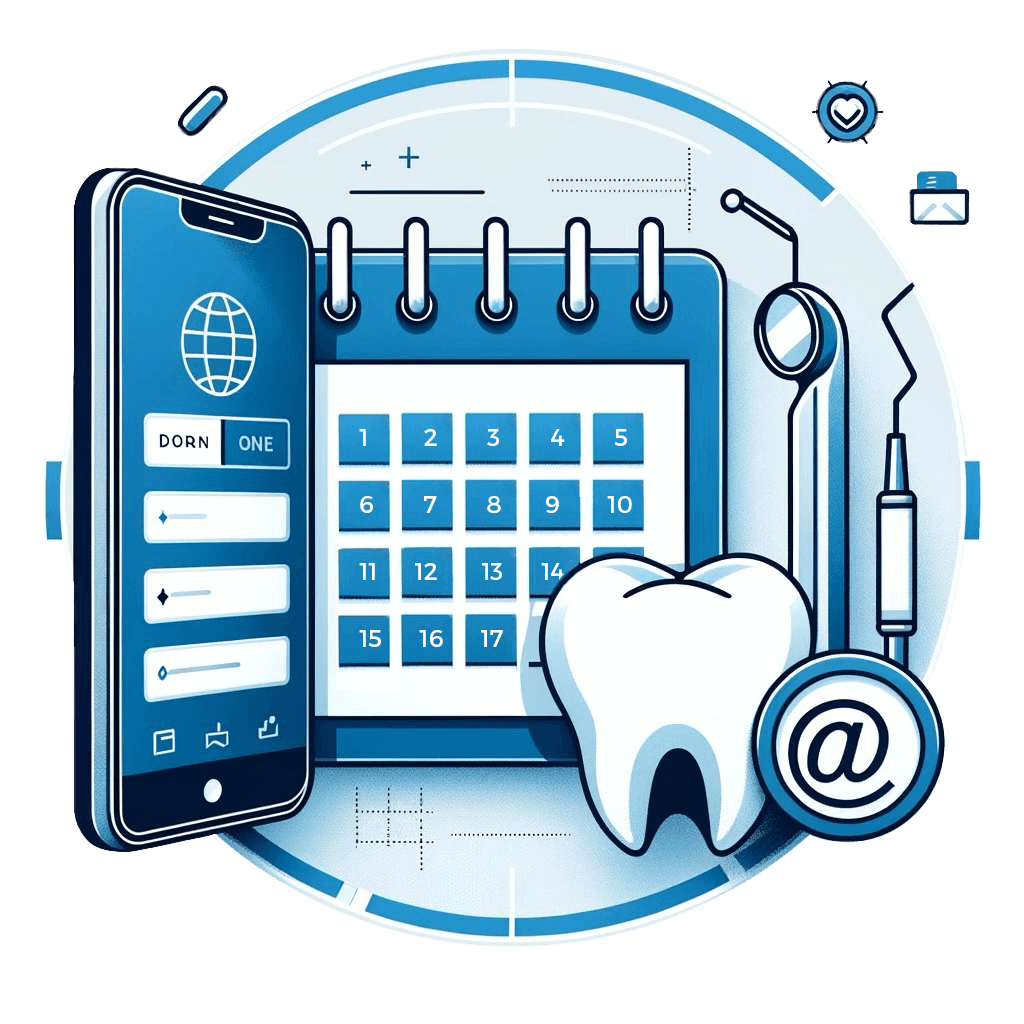
Vereinbaren Sie einen Termin 24h online oder telefonisch.
Das Wohlbefinden und die Lebensqualität von Menschen aller Altersgruppen sind stärker mit ihrem allgemeinen Gesundheitszustand verknüpft als man zunächst vermuten möchte. In diesem Zusammenhang spielen allen voran die gesunden, originalen Zähne oder ein funktionsfähiger und gut sitzender Zahnersatz eine wesentliche Rolle für die Zufriedenheit der Patienten mit ihrer Lebenssituation.
Zahnarzt Ohling Berlin Charlottenburg/Westend Erklärung zur Barrierefreiheit
We firmly believe that the internet should be available and accessible to anyone, and are committed to providing a website that is accessible to the widest possible audience, regardless of circumstance and ability.
To fulfill this, we aim to adhere as strictly as possible to the World Wide Web Consortium’s (W3C) Web Content Accessibility Guidelines 2.1 (WCAG 2.1) at the AA level. These guidelines explain how to make web content accessible to people with a wide array of disabilities. Complying with those guidelines helps us ensure that the website is accessible to all people: blind people, people with motor impairments, visual impairment, cognitive disabilities, and more.
This website utilizes various technologies that are meant to make it as accessible as possible at all times. We utilize an accessibility interface that allows persons with specific disabilities to adjust the website’s UI (user interface) and design it to their personal needs.
Additionally, the website utilizes an AI-based application that runs in the background and optimizes its accessibility level constantly. This application remediates the website’s HTML, adapts Its functionality and behavior for screen-readers used by the blind users, and for keyboard functions used by individuals with motor impairments.
If you’ve found a malfunction or have ideas for improvement, we’ll be happy to hear from you. You can reach out to the website’s operators by using the following email
Our website implements the ARIA attributes (Accessible Rich Internet Applications) technique, alongside various different behavioral changes, to ensure blind users visiting with screen-readers are able to read, comprehend, and enjoy the website’s functions. As soon as a user with a screen-reader enters your site, they immediately receive a prompt to enter the Screen-Reader Profile so they can browse and operate your site effectively. Here’s how our website covers some of the most important screen-reader requirements, alongside console screenshots of code examples:
Screen-reader optimization: we run a background process that learns the website’s components from top to bottom, to ensure ongoing compliance even when updating the website. In this process, we provide screen-readers with meaningful data using the ARIA set of attributes. For example, we provide accurate form labels; descriptions for actionable icons (social media icons, search icons, cart icons, etc.); validation guidance for form inputs; element roles such as buttons, menus, modal dialogues (popups), and others. Additionally, the background process scans all the website’s images and provides an accurate and meaningful image-object-recognition-based description as an ALT (alternate text) tag for images that are not described. It will also extract texts that are embedded within the image, using an OCR (optical character recognition) technology. To turn on screen-reader adjustments at any time, users need only to press the Alt+1 keyboard combination. Screen-reader users also get automatic announcements to turn the Screen-reader mode on as soon as they enter the website.
These adjustments are compatible with all popular screen readers, including JAWS and NVDA.
Keyboard navigation optimization: The background process also adjusts the website’s HTML, and adds various behaviors using JavaScript code to make the website operable by the keyboard. This includes the ability to navigate the website using the Tab and Shift+Tab keys, operate dropdowns with the arrow keys, close them with Esc, trigger buttons and links using the Enter key, navigate between radio and checkbox elements using the arrow keys, and fill them in with the Spacebar or Enter key.Additionally, keyboard users will find quick-navigation and content-skip menus, available at any time by clicking Alt+1, or as the first elements of the site while navigating with the keyboard. The background process also handles triggered popups by moving the keyboard focus towards them as soon as they appear, and not allow the focus drift outside it.
Users can also use shortcuts such as “M” (menus), “H” (headings), “F” (forms), “B” (buttons), and “G” (graphics) to jump to specific elements.
We aim to support the widest array of browsers and assistive technologies as possible, so our users can choose the best fitting tools for them, with as few limitations as possible. Therefore, we have worked very hard to be able to support all major systems that comprise over 95% of the user market share including Google Chrome, Mozilla Firefox, Apple Safari, Opera and Microsoft Edge, JAWS and NVDA (screen readers).
Despite our very best efforts to allow anybody to adjust the website to their needs. There may still be pages or sections that are not fully accessible, are in the process of becoming accessible, or are lacking an adequate technological solution to make them accessible. Still, we are continually improving our accessibility, adding, updating and improving its options and features, and developing and adopting new technologies. All this is meant to reach the optimal level of accessibility, following technological advancements. For any assistance, please reach out to
Sie sehen gerade einen Platzhalterinhalt von Vimeo. Um auf den eigentlichen Inhalt zuzugreifen, klicken Sie auf die Schaltfläche unten. Bitte beachten Sie, dass dabei Daten an Drittanbieter weitergegeben werden.
Mehr InformationenSie sehen gerade einen Platzhalterinhalt von YouTube. Um auf den eigentlichen Inhalt zuzugreifen, klicken Sie auf die Schaltfläche unten. Bitte beachten Sie, dass dabei Daten an Drittanbieter weitergegeben werden.
Mehr InformationenSie müssen den Inhalt von reCAPTCHA laden, um das Formular abzuschicken. Bitte beachten Sie, dass dabei Daten mit Drittanbietern ausgetauscht werden.
Mehr Informationen